

The first isotope usage training course was established in Xi'an, Shaanxi in 1956, marking the birth of nuclear medicine in China. Since then, nuclear medicine has been integrated into clinical practice and serves patients nationwide. In the 1980s, China's reform and opening-up policy underwent a crucial transformation. During this period, the Chinese Nuclear Medicine Association, a branch of the Chinese Medical Association, was established in 1980, and the Chinese Journal of Nuclear Medicine was founded in 1981 (later renamed the Chinese Journal of Nuclear Medicine and Molecular Imaging). These developments mark the revival of nuclear medicine in China, leading it onto a slow but steady path of development.
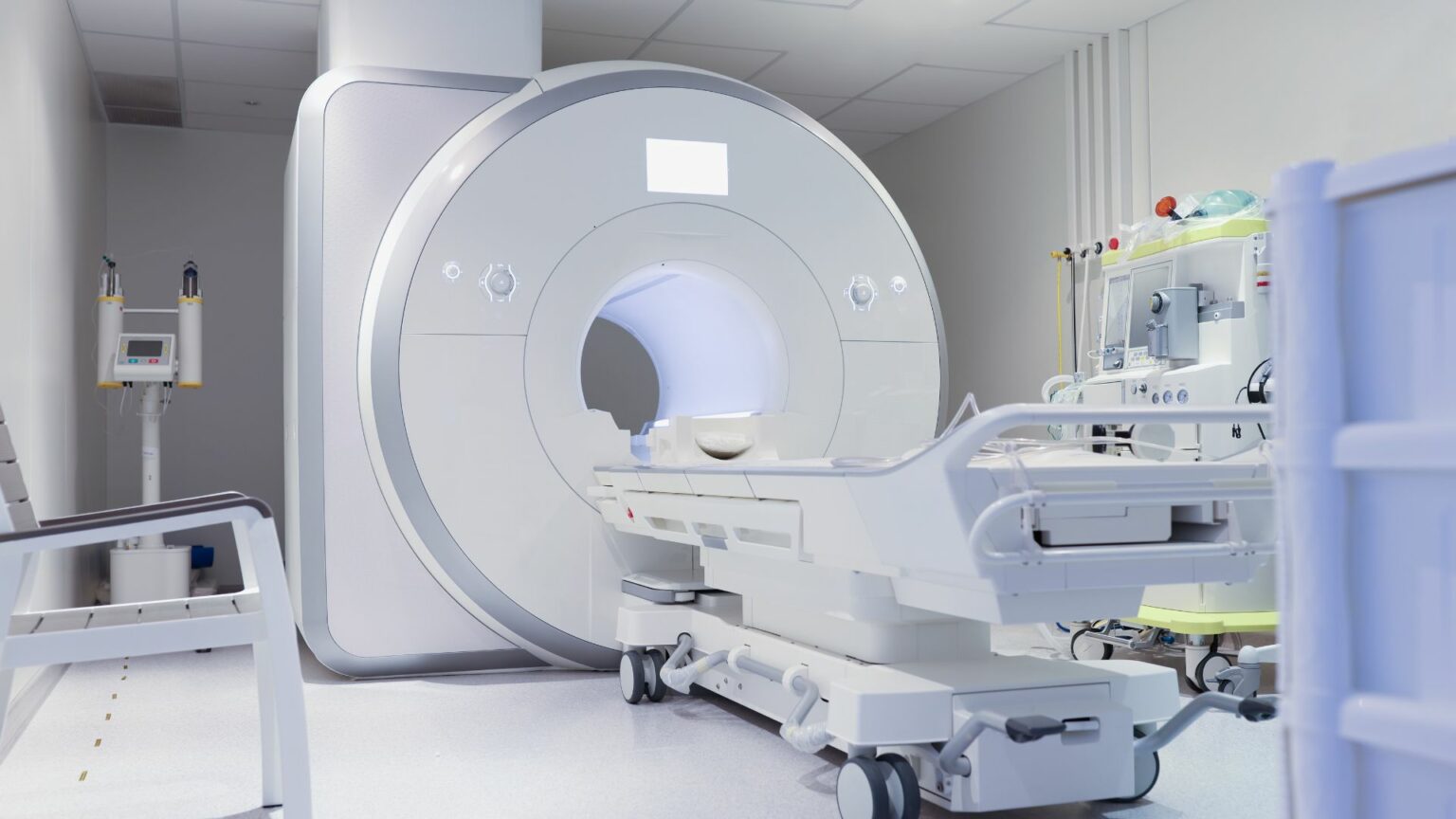
The development of nuclear medicine and molecular imaging in China has significant technological milestones and strategic initiatives. The installation of the first SPECT system in 1983 marked the beginning of this era. Subsequently, the first PET system andMedical cyclotronIn 2000, the first small animal PET system was launched, and in 2002, the first PET/CT system was introduced. The period from 2000 to 2010 was characterized by learning, accumulation, and significant investment, laying the foundation for rapid expansion in the following decade. The first one was installed in 2012PET/MRI systemIn 2016, it was launched; One county, one department; The initiative aims to improve access to nuclear medicine services nationwide, and in 2019, the first whole-body PET/CT system was launched, highlighting this fast track phase.
It is expected that by 2035, the scale of nuclear medicine will at least double, covering all advanced hospitals and achieving the goal of 'China's nuclear medicine';One county, one department” The goal.
As of now, the National Medical Products Administration of China has approved over 40 types of radioactive drugs for commercial use, including18F、99mTc、131I、125I、153Sm and32P. Among them, 23 are99MTc labeled radiopharmaceuticals and their related reagent kits, one of which is18F-FDG, 9 types are therapeutic radiopharmaceuticals, such as[131I] NaI oral solution (or capsule)89SrCl2Injection and125I Close range radiation therapy source (different from other countries,125The short-range radiation therapy source is classified as a radiopharmaceutical according to Chinese regulatory standards.
In order to promote the development of this field, in June 2021, eight national departments including the China Atomic Energy Agency, the Ministry of Science and Technology, and the National Medical Products Administration jointly released the Medium - and Long Term Development Plan for Medical Isotopes (2021-2035).
This strategic plan outlines the key tasks for developing the medical isotope related industry, particularly radiopharmaceuticals. Intended to promote the research and development of new radiopharmaceuticals, enhance self-reliance in the production and supply of medical isotopes, and promote their clinical applications. This plan is the cornerstone and provides a strategic roadmap for promoting the development of China's radiopharmaceutical industry. In the past decade, China has made significant progress in nuclear medicine. The Chinese Nuclear Medicine Association plays a key role in documenting this progress through its biennial national survey.
Latest data shows
China has over 1000 nuclear medicine departments, more than 400 PET/CT systems, over 20 PET/MRI systems, over 300 SPECT systems, approximately 500 SPECT/CT systems, 16 whole-body PET systems, and over 120 cyclotrons.
This infrastructure supports nearly 1 million annual PET/CT scans, over 14000 annual PET/MRI scans, and over 2.5 million annual SPECT scans, attracting 12000 nuclear medicine professionals. With such a large workforce, state-of-the-art preclinical and clinical equipment, and increasing funding for nuclear medicine and molecular imaging research from various sources, we are witnessing a golden age of nuclear medicine and genetic imaging. It not only happens in China, but also around the world. We eagerly look forward to the exciting development of this dynamic field and believe that the future will be bright.
Jiechuang Nuclear Instrument (Beijing) Technology Co., Ltd. has always taken the localization of nuclear electronics technology as its first goal. Through continuous technological accumulation, it has developed a series of core components and products for nuclear electronics. On this basis, representative laboratory nuclear instruments (high-purity germaniumγ) have been successively launched in recent years; Spectrometer, alpha; Spectrometer, screen ionization chamber, flow gas low background alpha; /β Measuring instruments and portable instruments such as lanthanum bromide spectrometers, wound contamination detectors, water and food radioactivity detectors, etc.

Scan the QR code above
Or search in WeChat“Jiechuang Nuclear Instruments” Follow Us
Stay Updated with Latest News
In today's increasingly widespread application of nuclear energy and technology, precise identification and quantitative analysis of radionuclei have become core requirements in fields such as environmental protection, nuclear safety regulation, medical diagnosis, and astrophysical research
VIEW DETAILSBoron Neutron Capture Therapy (BNCT) is a precision radiotherapy technique that uses boron drugs to target and enrich tumor cells, and triggers a neutron irradiation response to accurately kill cancer
VIEW DETAILSThe first isotope usage training course was established in Xi'an, Shaanxi in 1956, marking the birth of nuclear medicine in China. Since then, nuclear medicine has been integrated into clinical practice and serves patients nationwide
VIEW DETAILSBNCT construction projects in mainland China are classified into already operational, pre operational, under construction, and planned projects based on their operational status The pre operational projects in the table include projects that have already conducted or are planned to conduct clinical research
VIEW DETAILSNew standards for radiation protection regulations in nuclear power plants have been released, mainly introducing the content
VIEW DETAILSIndependently designed, developed, and built by our country fourth-generation advanced fission nuclear energy system - thorium-based molten salt experimental reactor, Recently, it was built in Wuwei and Gansu, and for the first time, thorium uranium conversion was achieved in the reactor
VIEW DETAILS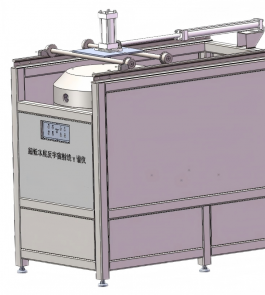
high-purity germanium (HPGe)γenergy spectrometer It is the most precise instrument in the field of spectral measurement, widely used in various radiometric measurement sites However, in the measurement of certain environmental samples, the radioactivity of the samples is low and requires the use of an anti cosmic ray anti Compton ray HPGe (High Purity Germanium) gamma energy spectrometer
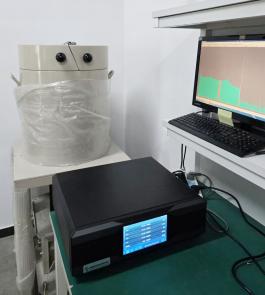
laboratory HPGe (High-Purity Germanium) γenergy spectrometer (high-purity germanium (HPGe)gamma spectrometer) It is an instrument used for low-level gamma radio activity spectral measurement, which can accurately and qualitatively measure the conducting/performing of samples containing gamma radio activity without loss
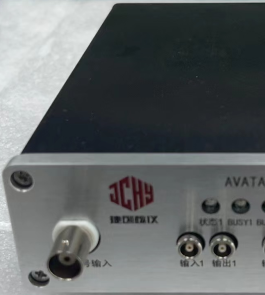
The AVATAR series dual channel Gaussian digital MCA spectrometer is based on a fully automated spectrometer system, which has been formed into a series of products. From the perspective of acquisition performance, it can be divided into basic performance and high count rate performance
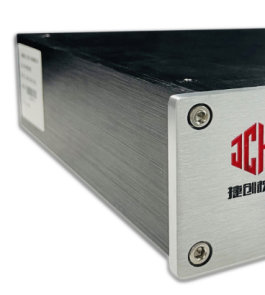
1) Introduction: Sipping MCA is a 100% domestically manufactured digital MCA system developed by Jiechuan Nuclear Instruments (Beijing) Technology Co., Ltd. It is an internally integrated digital MCA system that requires a signal polarity adjustment unit